MUSIC THAT CHANGED THE WORLD #2

Wednesday 28 October 2026

Why does music play such a powerful role in protest? From chanting in the streets to standing among an excited crowed at a festival, music has a unique ability to unite people. This second series of the Music That Changes The World-lectures explore how music functions in protest settings, focusing on how it is received and experienced by protesters and audiences. We’ll look at why music is crucial in turning a crowd into a collective and how it can channel emotion into action.

This lecture is part of a series:
30-09: Sounds of protest: music, resistance, recognition
28-10: Champagne for the proletariat: Class-related Issues in Dutch Protest Songs
25-11: Humor, music, and activism: can laughter change the world?
16-12: “There’s Some Women in This House!”: Hip Hop Feminism and Sounds of Resistance

You can now buy a combi ticket before the first lecture, via this link.

This programme is in English.

buy tickets
  • €15,00
  • GR8
  • 19:30
  • 20:00
Newsletter

Lecture 2 – “Champagne for the proletariat”: Class-related Issues in Dutch Protest Songs

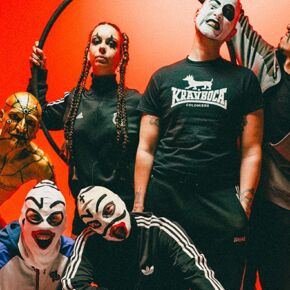
Protestliederen in het Nederlands zijn de afgelopen jaren alomtegenwoordig geweest. Artiesten als Sophie Straat, Hang Youth, Sef en IJsland hebben met hun uitgesproken politieke nummers mainstream succes geboekt. Opvallend is dat deze artiesten het thema ‘klasse’ weer op de agenda van het publieke debat hebben gezet. Hoe en waarom hebben ze dat gedaan? Wat is de traditie van klassengebonden politieke liederen in Nederland sinds 1966, het jaar waarin protestpopsongs voor het eerst populair werden? In deze lezing verkent Laurens Ham het steeds veranderende landschap van Nederlandse protestliederen over klassenkwesties, van het ‘levenslied’ tot hiphop en punkmuziek.

About the lecturer:

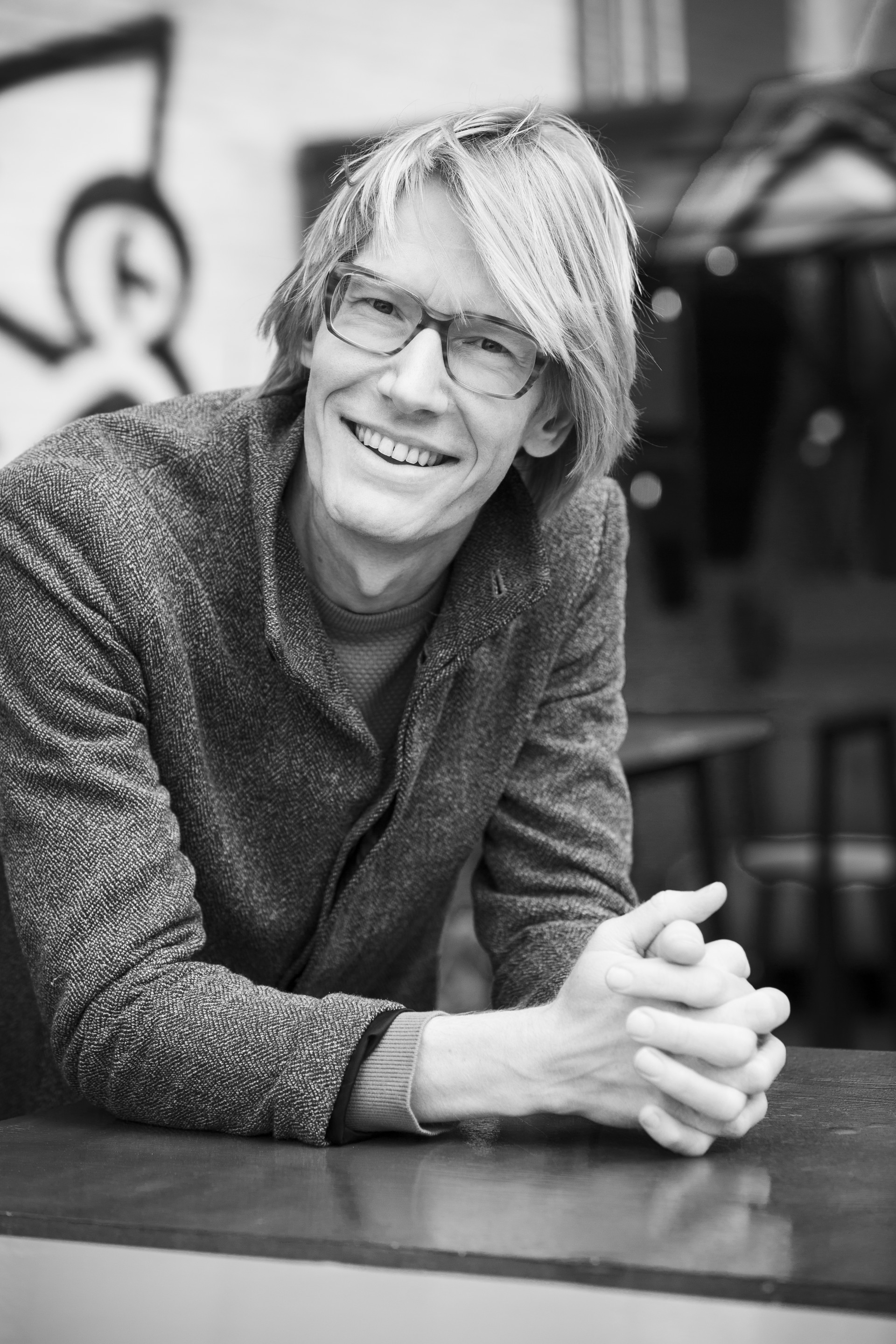
Laurens Ham is universitair docent Moderne Nederlandse Literatuur, en tevens essayist en dichter. Zijn onderzoek richt zich op kwesties van participatie en politieke vertegenwoordiging in literatuur en andere kunstvormen. Hij onderzoekt hoe schrijvers, muzikanten en andere kunstenaars sociaal-politieke onderwerpen in hun werk weergeven, en hoe zij proberen de wereld te veranderen door middel van hun kunst, protesten, lobbywerk en mediaoptredens. In 2020 publiceerde hij *Op de vuist*, een cultuurgeschiedenis van Nederlandstalige protestliederen sinds 1966.

About the lecturer:

MUSIC THAT CHANGED THE WORLD #2

Wednesday 28 October 2026

buy tickets