MUSIC THAT CHANGED THE WORLD #2

"Champagne for the proletariat": Class-related Issues in Dutch Protest Songs

woensdag 28 oktober 2026

Waarom speelt muziek zo’n krachtige rol in protest? Van het schreeuwen op straat tot tussen een uitbundige menigte op een festival, muziek heeft een unieke kracht om mensen te verenigen. Deze tweede reeks van de Music That Changes The World-colleges verkent hoe muziek functioneert binnen protestsettings, met de nadruk op hoe het wordt ontvangen en ervaren door demonstranten en publiek. We kijken naar waarom muziek cruciaal is om van een menigte een collectief te maken, en hoe het emoties omzet in actie.

Dit college is onderdeel van een reeks:
30-09: Sounds of protest: music, resistance, recognition
28-10: Champagne for the proletariat: Class-related Issues in Dutch Protest Songs
25-11: Humor, music, and activism: can laughter change the world?
16-12: “There’s Some Women in This House!”: Hip Hop Feminism and Sounds of Resistance

Je kunt nu vóór de eerste lezing een combiticket kopen, via deze link.

Dit programma is Engelstalig.

koop tickets
  • €15,00
  • GR8
  • 19:30
  • 20:00
Nieuwsbrief

Lecture 2 – “Champagne for the proletariat”: Class-related Issues in Dutch Protest Songs

Protest songs in the Dutch language have been everywhere in recent years. Artists such as Sophie Straat, Hang Youth, Sef and IJsland have achieved mainstream success with their explicitly political songs. Notably, these artists have brought the issue of class back into the public debate. How and why have they done so? What is the tradition of class-related political songs in the Netherlands since 1966, the year in which protest pop songs first became popular? In this lecture, Laurens Ham explores the ever-changing landscape of Dutch protest songs on class-related issues, from ‘levenslied’ to hip-hop and punk music.
About the lecturer:

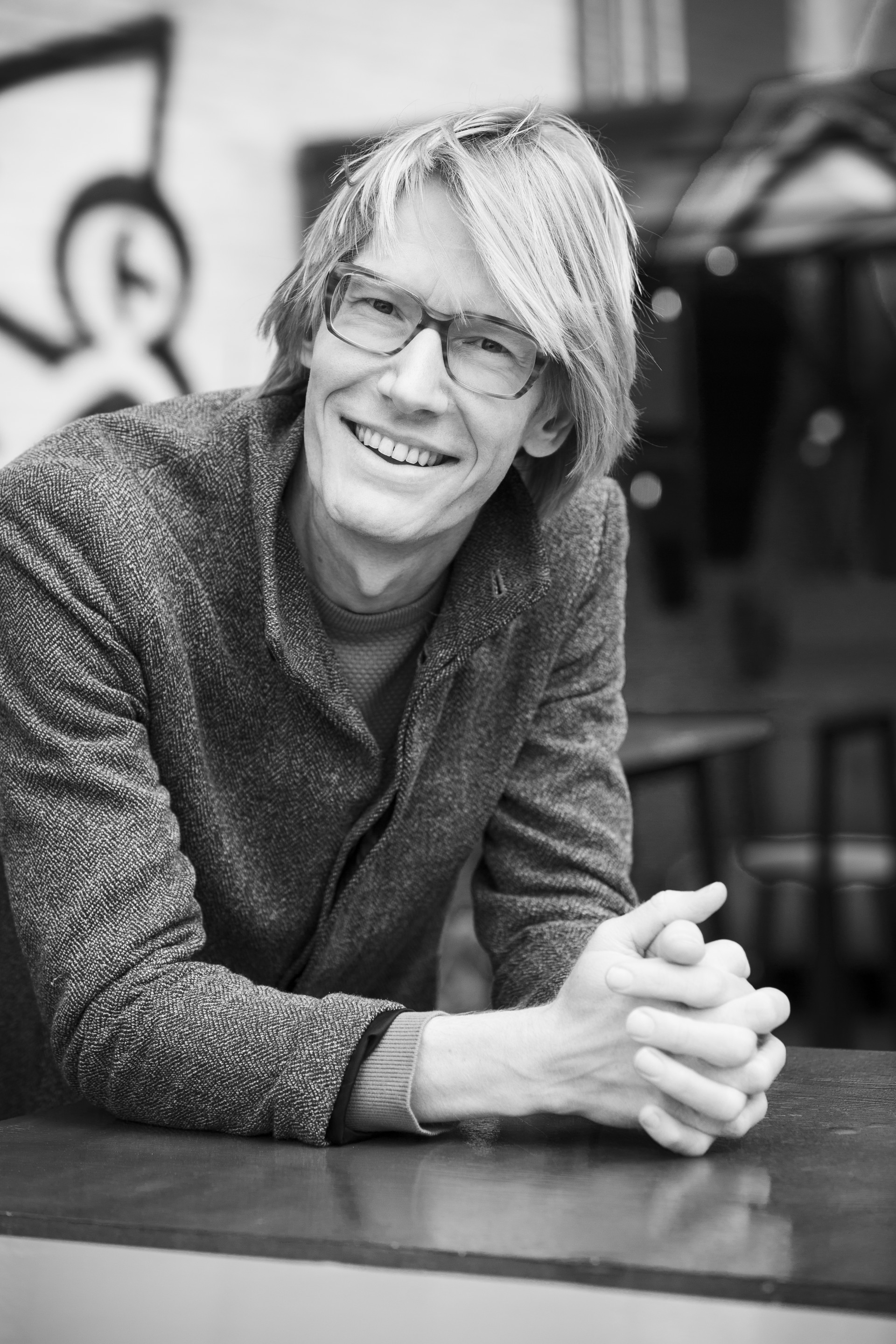
Laurens Ham is assistant professor in Modern Dutch Literature, as well as an essayist and poet. His research focuses on issues of participation and political representation in literature and other art forms. He investigates how writers, musicians and other artists represent socio-political topics in their work, and how they attempt to change the world through their art, protests, lobbying and media appearances. In 2020, he published Op de vuist, a cultural history of Dutch-language protest songs since 1966.


MUSIC THAT CHANGED THE WORLD #2

woensdag 28 oktober 2026

koop tickets